- Are all cryptocurrencies based on blockchain
- Are all cryptocurrencies the same
- All the cryptocurrencies
Why do all cryptocurrencies rise and fall together
At the time of writing, we estimate that there are more than 2 million pairs being traded, made up of coins, tokens and projects in the global coin market https://vege-chandra.info/. As mentioned above, we have a due diligence process that we apply to new coins before they are listed. This process controls how many of the cryptocurrencies from the global market are represented on our site.
Here at CoinMarketCap, we work very hard to ensure that all the relevant and up-to-date information about cryptocurrencies, coins and tokens can be located in one easily discoverable place. From the very first day, the goal was for the site to be the number one location online for crypto market data, and we work hard to empower our users with our unbiased and accurate information.
Almost. We have a process that we use to verify assets. Once verified, we create a coin description page like this. The world of crypto now contains many coins and tokens that we feel unable to verify. In those situations, our Dexscan product lists them automatically by taking on-chain data for newly created smart contracts. We do not cover every chain, but at the time of writing we track the top 70 crypto chains, which means that we list more than 97% of all tokens.
In January 2024 the SEC approved 11 exchange traded funds to invest in Bitcoin. There were already a number of Bitcoin ETFs available in other countries, but this change allowed them to be available to retail investors in the United States. This opens the way for a much wider range of investors to be able to add some exposure to cryptocurrency in their portfolios.
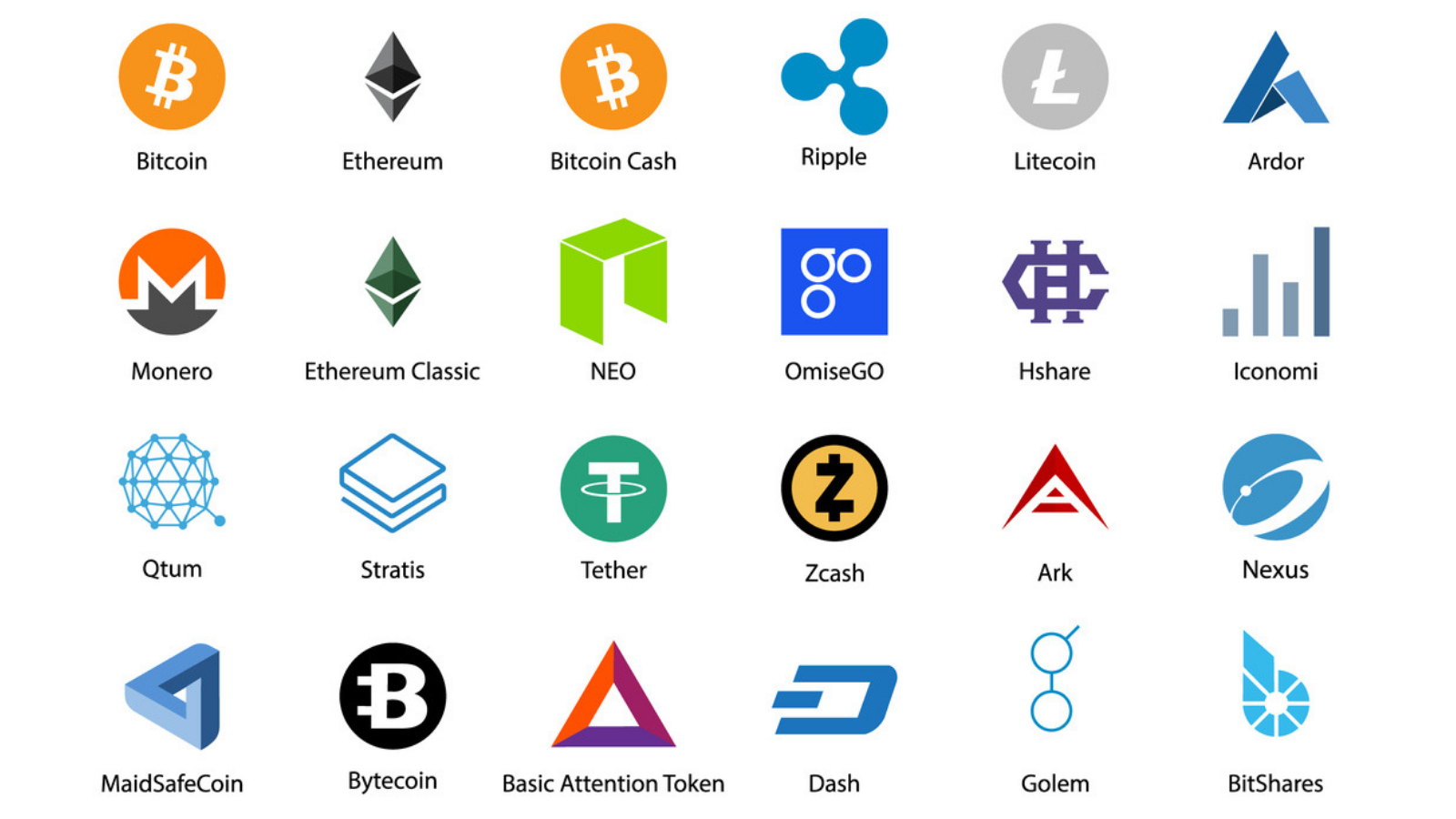
Are all cryptocurrencies based on blockchain
Here’s a theoretical example to help illustrate how blockchain works. Imagine that someone is looking to buy a concert ticket on the resale market. This person has been scammed before by someone selling a fake ticket, so she decides to try one of the blockchain-enabled decentralized ticket exchange websites that have been created in the past few years. On these sites, every ticket is assigned a unique, immutable, and verifiable identity that is tied to a real person. Before the concertgoer purchases her ticket, the majority of the nodes on the network validate the seller’s credentials, ensuring that the ticket is in fact real. She buys her ticket and enjoys the concert.
The answer is no. Blockchain, the technology underpinning Bitcoin, is more than just a public ledger of transactions. It’s a decentralized database that stores every transaction made on the network and makes it extremely difficult to tamper with any information in the system. All cryptocurrencies use blockchain, but they can also use other technologies such as a centralized ledger or elliptic curve cryptography.
Even if you make your deposit during business hours, the transaction can still take one to three days to verify due to the sheer volume of transactions that banks need to settle. Blockchain, on the other hand, never sleeps.
Each of them puts into practice a different consensus algorithm. Nano, formerly called Raiblocks, implements the so-called Block-lattice. With Block-lattice, every user gets their own chain to which only they can write. Additionally, everyone holds a copy of all of the chains. Every transaction is broken down into a send block on the sender’s chain, and a receive block on the receiver’s chain. The problem of Block-lattice is that it is vulnerable to penny-spending attacks. These involve inflating the number of chains that nodes must track by sending negligible amounts of cryptocurrency to empty wallets.
According to the definition of cryptocurrency, the answer is no. The defining characteristic of any cryptocurrency is that security is ensured with cryptography. Moreover, cryptocurrencies aren’t issued by a central authority, like a bank. In theory, this makes them immune to government interference or manipulation.
Are all cryptocurrencies the same
Digital currencies are better than physical currencies as it is difficult to forge them. Physical currencies might have different unique features, such as watermarks and optically variable ink. However, these features don’t make physical currencies invulnerable to counterfeiting. On top of that, digital currencies also offer more efficient, secure, and instantaneous transactions. You can also use digital currencies to make faster and easier cross-border payments without paying hefty transaction fees.
Some examples of digital currencies include cryptocurrencies, stablecoins, and Central Bank Digital Currencies. Interestingly, CBDCs are a common highlight in every digital currency vs cryptocurrency comparison as they are the most credible form of digital currency. CBDCs are a type of digital currency issued by the government or national monetary authority of a country.
Digital currencies such as CBDCs have the support of the government and are subject to all the relevant financial regulations. Therefore, investors are likely to consider digital currencies as trusted financial instruments. Traditional frameworks backing the legality of digital currencies help people gain their trust.
Financial tokens are digital assets that support economic activities such as lending, borrowing, trading, and yield generation within decentralised finance (DeFi) ecosystems. These tokens often represent access to specific financial services, act as incentives for participation, or enable protocol-level fee structures. Many of them are native to DeFi platforms and play a central role in shaping on-chain financial products.
Digital currencies are better than physical currencies as it is difficult to forge them. Physical currencies might have different unique features, such as watermarks and optically variable ink. However, these features don’t make physical currencies invulnerable to counterfeiting. On top of that, digital currencies also offer more efficient, secure, and instantaneous transactions. You can also use digital currencies to make faster and easier cross-border payments without paying hefty transaction fees.
Some examples of digital currencies include cryptocurrencies, stablecoins, and Central Bank Digital Currencies. Interestingly, CBDCs are a common highlight in every digital currency vs cryptocurrency comparison as they are the most credible form of digital currency. CBDCs are a type of digital currency issued by the government or national monetary authority of a country.
All the cryptocurrencies
The very first cryptocurrency was Bitcoin. Since it is open source, it is possible for other people to use the majority of the code, make a few changes and then launch their own separate currency. Many people have done exactly this. Some of these coins are very similar to Bitcoin, with just one or two amended features (such as Litecoin), while others are very different, with varying models of security, issuance and governance. However, they all share the same moniker — every coin issued after Bitcoin is considered to be an altcoin.
Here at CoinMarketCap, we work very hard to ensure that all the relevant and up-to-date information about cryptocurrencies, coins and tokens can be located in one easily discoverable place. From the very first day, the goal was for the site to be the number one location online for crypto market data, and we work hard to empower our users with our unbiased and accurate information.
In January 2024 the SEC approved 11 exchange traded funds to invest in Bitcoin. There were already a number of Bitcoin ETFs available in other countries, but this change allowed them to be available to retail investors in the United States. This opens the way for a much wider range of investors to be able to add some exposure to cryptocurrency in their portfolios.
Play-to-earn (P2E) games, also known as GameFi, has emerged as an extremely popular category in the crypto space. It combines non-fungible tokens (NFT), in-game crypto tokens, decentralized finance (DeFi) elements and sometimes even metaverse applications. Players have an opportunity to generate revenue by giving their time (and sometimes capital) and playing these games.
The total crypto market volume over the last 24 hours is $172.65B, which makes a 34.94% increase. The total volume in DeFi is currently $27.22B, 15.77% of the total crypto market 24-hour volume. The volume of all stable coins is now $161.34B, which is 93.45% of the total crypto market 24-hour volume.